Texas Disaster Resource Center
What is the Texas Disaster Resource Center?
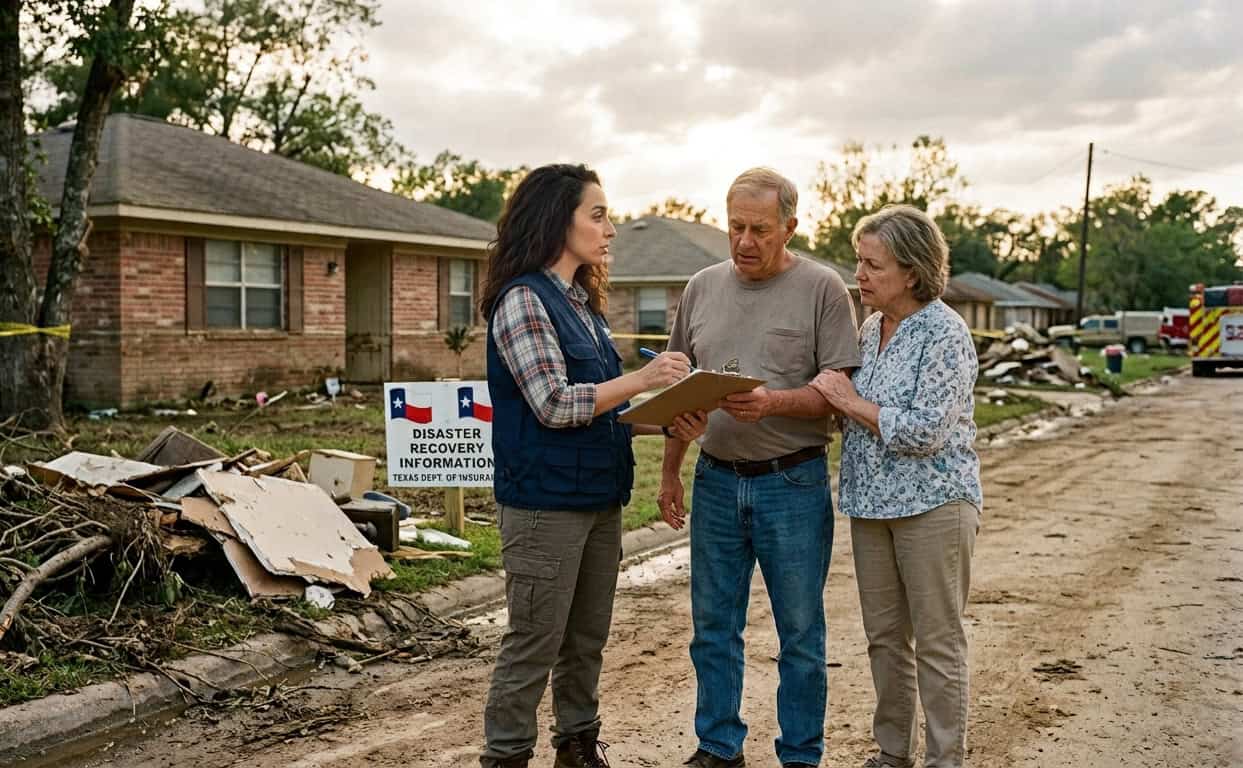
It is ClaimsMate's free guide to disasters in Texas and the insurance claims that follow them, organized by county. Each page pairs official data from agencies like the National Weather Service and FEMA with plain advice on what to do and how to deal with your insurance company.
Real-Time Disaster Updates, Local Risk Information & Help With Your Insurance Claim
When a wildfire, flood, tornado, hurricane, or other catastrophic event strikes Texas, homeowners face immediate questions: Is my property safe? What should I do first? Does my homeowners insurance cover the damage? How do I document my losses, and what happens if my insurance company underpays or denies my claim?
The Texas Disaster Resource Center helps homeowners find answers when they need them most. We track active disaster events, historical damage, and community-level risk information across Texas, connecting homeowners with practical recovery guidance and licensed public adjusters who represent policyholders during the insurance claims process.
Whether you are dealing with a recent house fire, storm damage, flooding, or widespread catastrophic losses, our resources explain your next steps, common insurance coverage questions, and options for getting professional help with your claim.
Real-Time Texas Disaster Tracking and Localized Information
Our disaster monitoring system brings together information from government agencies, emergency reporting sources, and historical disaster records to help identify events affecting Texas communities.
We organize this information by county and affected location, making it easier to understand what happened, where an event occurred, and what resources may be available to property owners.
Our data sources include:
- Wildfires: National Interagency Fire Center (NIFC) wildfire information and incident reporting.
- Floods and Tornadoes: National Weather Service (NWS) alerts, warnings, and weather-related information.
- Hurricanes: NOAA’s National Hurricane Center (NHC) forecasts, advisories, and storm information.
- Residential Structure Fires: Available local fire department dispatch and incident reporting feeds.
- Federal Disaster Declarations: FEMA disaster declaration records and historical event information.
- County-Level Disaster Risk: FEMA’s National Risk Index, which provides information about community-level natural hazard risk.
Each applicable resource identifies its underlying data source. Active alerts, historical records, and risk assessments are presented as distinct information so homeowners can understand the difference between an ongoing emergency, a past disaster, and a documented potential hazard.
Texas County Disaster Profiles
Explore disaster information for your Texas county, including historical events, available active alerts, and FEMA risk information.
Each county profile is designed to provide a localized starting point for understanding potential property risks and navigating insurance questions after a disaster.
Depending on available data, county pages may include:
- Active weather alerts and reported disaster events.
- Historical wildfire, flood, hurricane, and other disaster information.
- FEMA National Risk Index hazard and risk information.
- Guidance on documenting property damage and preparing an insurance claim.
- Answers to frequently asked homeowners insurance questions.
- Information about working with a licensed public adjuster.
Does Homeowners Insurance Cover Your Disaster Damage?
Insurance coverage depends on your specific policy, endorsements, exclusions, deductible, and the circumstances surrounding the damage.
For example, standard homeowners policies often distinguish between sudden accidental damage, flooding, wind damage, and other causes of loss. Flood is excluded from a standard homeowners policy. It requires separate flood insurance, either NFIP or a private flood policy. Certain storm-related losses, such as wind, hail, and hurricane damage, are often subject to a separate deductible or special policy conditions.
Our educational resources explain common coverage questions in plain language, helping homeowners understand what to look for in their policy and what questions to ask their insurance company.
Important: General insurance information is not a determination of coverage. Your actual coverage depends on your policy language, applicable law, and the facts of your loss.
When Should You Contact a Public Adjuster?
A public adjuster is a licensed insurance claims professional who represents the policyholder, not the insurance company, in preparing, documenting, evaluating, and negotiating property insurance claims.
After a catastrophic event, a public adjuster may help homeowners:
- Document structural damage and personal property losses.
- Prepare and organize claim documentation.
- Review the insurance policy and applicable coverage provisions.
- Evaluate the scope and estimated cost of covered damage.
- Communicate with the insurance company during the claims process.
- Address disputed, underpaid, or denied claims when appropriate.
If your property has suffered significant damage, you are uncertain about your coverage, or you disagree with your insurer’s assessment, speaking with a licensed public adjuster may help you better understand your options.
Get Help With Your Texas Property Insurance Claim
You don’t have to navigate the insurance claims process alone.
Explore our Texas disaster resources to learn about events affecting your community, understand common insurance coverage questions, and find licensed public adjusters who work for policyholders.
Need help with a property damage claim? Connect with a public adjuster to discuss your situation and understand your next steps.
Find a Public Adjuster Explore Texas Disaster Reports
ClaimsMate provides educational disaster and insurance information to help homeowners understand their options. Public adjuster services are subject to applicable state licensing requirements and individual service agreements.
Active Disasters in Texas Right Now
Map data: live feed. Markers show approximate locations: a fire's location, a warning area's center, or a storm's center. Shaded counties have an active alert. Always follow local emergency officials.
- Structure fire, Dallas
- Structure fire, San Antonio
Find Your County
Pick your region, or type your county or city.
No county page matches that yet. Find a Texas public adjuster who serves your area.
North Texas CountiesDallas, Fort Worth, Plano, Denton, Wichita Falls, Abilene
1 active alert 12 counties
East Texas CountiesTyler, Longview, Texarkana, Lufkin, Nacogdoches
8 counties
Gulf Coast CountiesHouston, Galveston, Beaumont, Victoria, Corpus Christi
11 counties
Central Texas CountiesAustin, Round Rock, Waco, Killeen, College Station
13 counties
South Texas & Rio Grande Valley CountiesSan Antonio, New Braunfels, Laredo, McAllen, Brownsville
1 active alert 18 counties
Panhandle CountiesAmarillo, Lubbock, Plainview, Pampa
5 counties
West Texas CountiesMidland, Odessa, El Paso, San Angelo, Big Spring
7 counties
Texas Public Adjusters by City
When a claim is underpaid, delayed or denied, a licensed public adjuster works for you, not the insurance company. Start with Texas public adjusters, or go straight to your city:
- Abilene public adjusters
- Arlington public adjusters
- Austin public adjusters
- Brownsville public adjusters
- Corpus Christi public adjusters
- Dallas public adjusters
- Denton public adjusters
- El Paso public adjusters
- Fort Worth public adjusters
- Galveston public adjusters
- Garland public adjusters
- Grand Prairie public adjusters
- Harlingen public adjusters
- Houston public adjusters
- Irving public adjusters
- Katy public adjusters
- Laredo public adjusters
- Lubbock public adjusters
- McAllen public adjusters
- Midland public adjusters
- Pearland public adjusters
- Plano public adjusters
- San Angelo public adjusters
- San Antonio public adjusters
- Sugar Land public adjusters
- The Woodlands public adjusters
- Tomball public adjusters
- Waco public adjusters
- Wichita Falls public adjusters
Insurance Claim Guides by Disaster Type
- Fire and smoke damage insurance claims
- Water and flood damage insurance claims
- Tornado damage insurance claims
- Hail damage claims
- Hurricane insurance claims
- Storm damage claims
- How to deal with the insurance company adjuster

Stephanie is a property insurance claim expert with over 20 years of experience working as an insurance adjuster, expert witness, appraiser and umpire. She is passionate about sharing her expertise, knowledge, tips and training to help both property owners and Public Adjusters in their pursuit of effectively managing claims and recovering the claim settlement they deserve after a loss.