Is Your Fayette County, TX Homeowners Insurance Ready for Tornado and Hail Roof Damage?
The FEMA National Risk Index (fema.gov) rates tornado risk in Fayette County as Relatively Moderate, higher than 70.8% of U.S. counties. That makes tornado the hazard to plan around for the 9,310 occupied homes (U.S. Census) from La Grange to Schulenburg, Flatonia, Ellinger and Fayetteville. Hail and flood sit a step lower, but a roof claim can still go wrong long before a storm ever arrives.
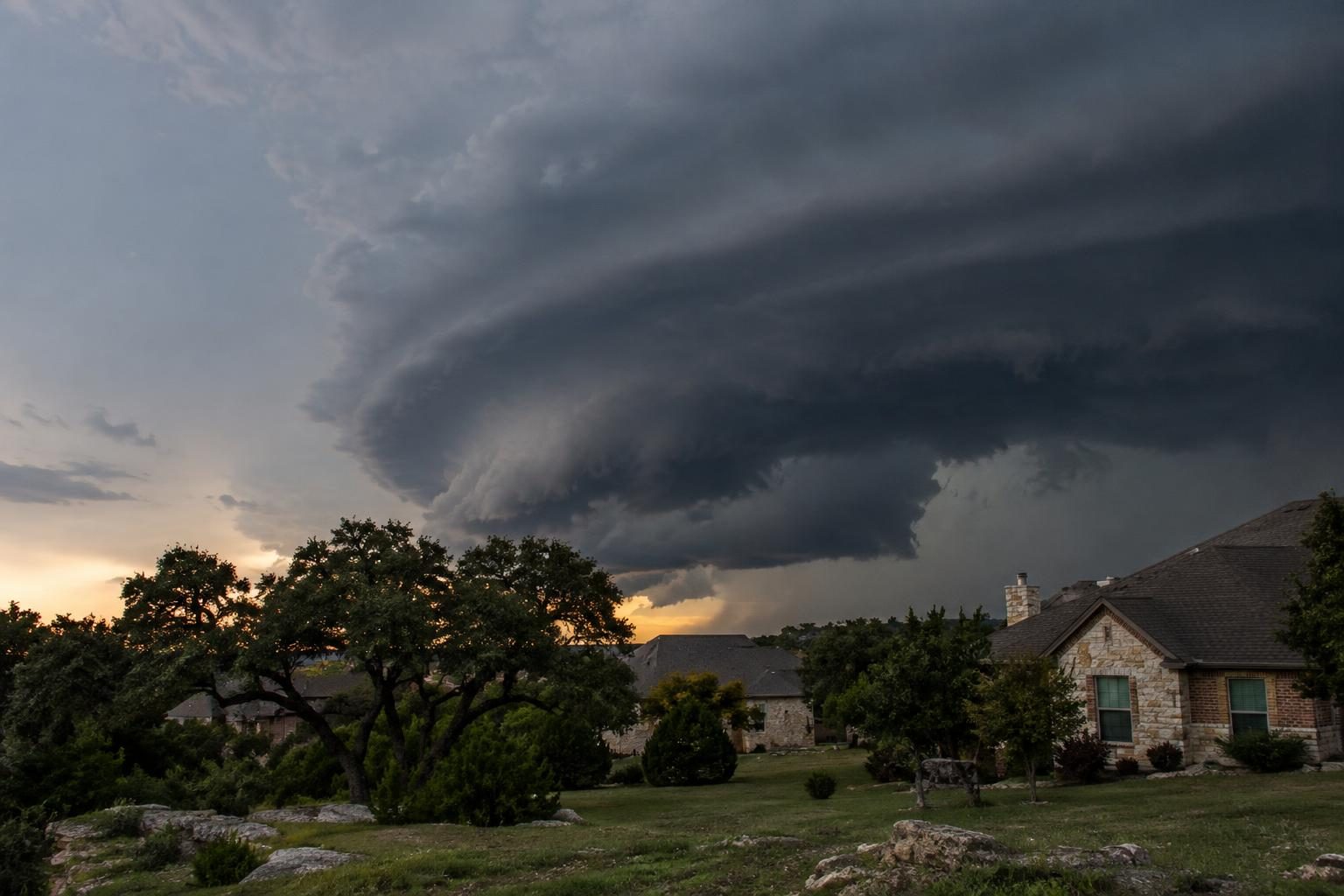
Fayette County Risk Profile
Overall risk: Relatively Low, higher than 58% of U.S. counties
| Hazard | Rating | Score (percentile) |
|---|---|---|
| Wildfire | Very Low | 49.7 |
| Riverine Flooding | Relatively Low | 64.8 |
| Tornado | Relatively Moderate | 70.8 |
| Hail | Relatively Low | 65.8 |
| Strong Wind | Relatively Low | 49.2 |
| Lightning | Relatively Low | 54.4 |
Source: FEMA National Risk Index. Scores are percentile ranks among all U.S. counties: a score of 90 means higher risk than 90% of counties. Ratings are for the county as a whole.
Fayette County at a Glance
- County seat
- La Grange
- Largest towns
- La Grange, Schulenburg, Flatonia, Ellinger, Fayetteville
- Occupied homes
- 9,310
- Flood insurance (NFIP) policies in force
- 171
Sources: U.S. Census Bureau (American Community Survey), FEMA NFIP policy data.
Is hail a real risk to my roof in Fayette County, TX?
Yes, but it ranks below tornadoes here. FEMA’s National Risk Index rates hail in Fayette County as Relatively Low, higher than 65.8% of U.S. counties, so a hail season can still leave your shingles damaged even in a year with no tornado.
Which is the bigger threat in Fayette County: tornado, hail or river flooding?
Tornado leads the list in Fayette County, rated Relatively Moderate by the FEMA National Risk Index, while hail and riverine flooding both rate Relatively Low.
Hail is the one people shrug off. A Relatively Low rating sounds harmless, yet it is still higher than 65.8% of U.S. counties, and hail does its harm quietly on roofs. You may not notice the bruised shingles until a leak shows up months later.
Flood deserves a second look too. Fayette County has 171 NFIP flood policies in force (FEMA) against 9,310 occupied homes (U.S. Census). That is a small number of policies for a county with river bottoms, so many homes are carrying no flood protection at all.
What Homeowners Insurance Covers in Fayette County: Wind and Hail, Flood
- Wind, Hail and Tornado: Tornado and wind damage are generally covered by a standard homeowners policy, but most policies carry a separate wind or hail deductible, distinct from the main policy deductible.
- Flood: Flood is excluded from a standard homeowners policy. It requires separate flood insurance, either NFIP or a private flood policy.
ClaimsMate’s licensed public adjusters represent the policyholder, never the insurance company, on property insurance claims.
What should Fayette County homeowners check on the roof and in the policy before storm season?
Start with the roof itself, because tornado and hail claims here usually begin at the shingles. Walk the property after each storm season and look for dented vents, cracked shingles and granule piles in the gutters.
- Tornado: look for loose flashing, lifted ridge caps and trees close enough to the house to land on it in a Fayette County storm.
- Flood: if your home sits near a Fayette County creek or river bottom, confirm whether flood coverage exists at all.
Read the roof wording in your policy. Some Texas policies pay roofs at a reduced, age-based value rather than full replacement cost. Learn which one applies to your Fayette County home before a storm, not after.
How do you prove roof damage came from a Fayette County storm and not from wear and tear?
The insurance company often says the damage is age and wear, and that single argument decides many roof claims in Fayette County. Proving otherwise takes dated evidence that ties the damage to a specific storm.
How can a ClaimsMate public adjuster help with a disputed roof claim in Fayette County?
A licensed Texas public adjuster from ClaimsMate can take over the roof claim once a claim is open.
It also helps when the first estimate looks thin or undervalued. A ClaimsMate public adjuster can evaluate the scope and cost of the covered roof damage and push back when the insurance company writes off a storm loss as wear. Knowing how to deal with the insurance company’s adjuster before the visit makes that conversation easier.
Frequently Asked Questions
Does the FEMA National Risk Index rate Fayette County’s overall risk as high?
No. The FEMA National Risk Index rates Fayette County’s overall natural hazard risk as Relatively Low, with tornado as the highest hazard at Relatively Moderate. That is a county-level rating, so it does not predict what happens to any one home in La Grange or Schulenburg.
How many Fayette County homes have NFIP flood policies?
FEMA’s NFIP shows 171 flood policies in force in Fayette County, while the U.S. Census counts 9,310 occupied homes. Those two figures suggest many households have no flood policy, so it is worth asking where your home stands.
What photos help prove hail damage on a Fayette County roof?
Dated close-ups of every roof slope, plus dented vents, gutters, and screens, are the strongest. Take them before storm season and again right after any hail event in Fayette County, so the difference shows the storm, not age, caused the damage.
Why do roof claims in Fayette County get disputed so often?
Because a roof is the easiest place to blame age. With tornado ratings relatively moderate and hail still higher than 65.8% of U.S. counties, Fayette County roofs take real storm hits, yet the insurance company can point to worn shingles and decline to pay for them. The homeowner who documented the roof early is the one who holds the stronger hand.
Sign up for a free consultation today from ClaimsMate to discover the best path forward for your tornado damage insurance claim.
Public Adjusters Serving Fayette County
Sources

Stephanie is a property insurance claim expert with over 20 years of experience working as an insurance adjuster, expert witness, appraiser and umpire. She is passionate about sharing her expertise, knowledge, tips and training to help both property owners and Public Adjusters in their pursuit of effectively managing claims and recovering the claim settlement they deserve after a loss.