Will Homeowners Insurance Treat My Hail Damage as Covered in Tarrant County, TX?
In the FEMA National Risk Index, Tarrant County, where Fort Worth is the county seat, is rated Relatively High for overall natural hazard risk, higher than 99.1% of U.S. counties. Hail (Very High) and tornado (Very High, higher than 99.9% of U.S. counties) lead the list, and the U.S. Census counts 754,969 homes here. How your insurer labels storm damage on your roof decides how much of it gets paid.
Tarrant County Risk Profile
Overall risk: Relatively High, higher than 99.1% of U.S. counties
| Hazard | Rating | Score (percentile) |
|---|---|---|
| Wildfire | Relatively Moderate | 91.5 |
| Riverine Flooding | Relatively High | 99.1 |
| Tornado | Very High | 99.9 |
| Hail | Very High | 100 |
| Strong Wind | Relatively Moderate | 82.8 |
| Lightning | Relatively High | 95.2 |
Source: FEMA National Risk Index. Scores are percentile ranks among all U.S. counties: a score of 90 means higher risk than 90% of counties. Ratings are for the county as a whole.
Tarrant County at a Glance
- County seat
- Fort Worth
- Largest towns
- Fort Worth, Arlington, Grand Prairie, Mansfield, North Richland Hills
- Occupied homes
- 754,969
- Flood insurance (NFIP) policies in force
- 4,999
- FEMA disaster declarations
- 25 (most recent February 19, 2021)Counts fire, flood, hurricane, severe ice storm, severe storm and tornado declarations
Sources: U.S. Census Bureau (American Community Survey), FEMA NFIP policy data, FEMA disaster declarations.
Is hail a serious risk for my home in Tarrant County, TX?
Yes. FEMA’s National Risk Index rates hail risk in Tarrant County as Very High, higher than 100% of U.S. counties. Find your hail or wind deductible now, because it is usually separate from your main deductible and sets how much a roof claim pays.
What a hail night looks like for a Tarrant County house
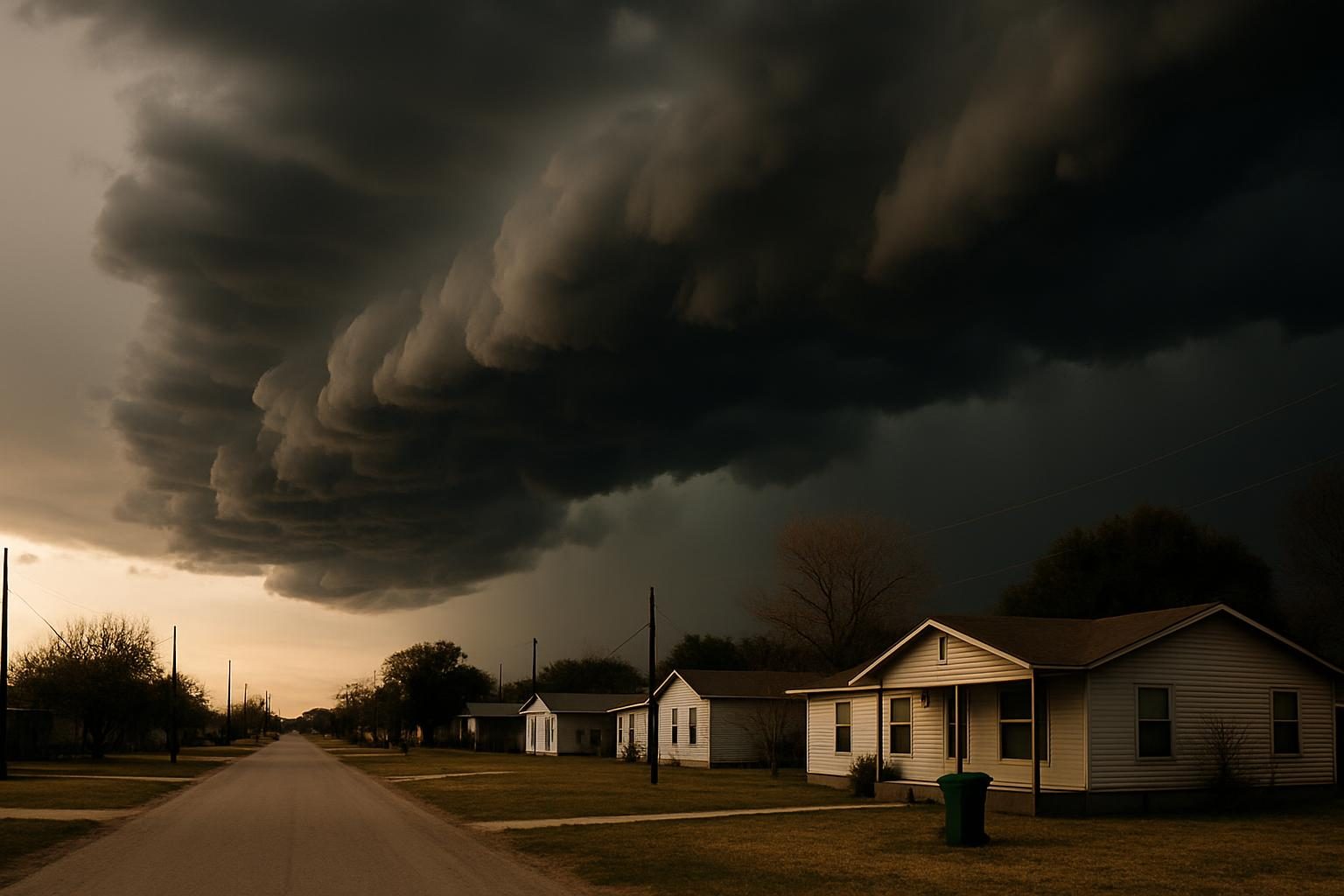
The storm. A line of storms crosses the county after dark. Hail pounds the roof for several minutes, and you hear it on the windows and the car in the driveway.
- In the morning you find dented gutters, scuffed vents and granules washed into the downspouts.
- You photograph the roof, siding, fence and any interior stains before anything is moved or patched.
- You call your insurer, and an adjuster is sent to look at the roof.
The catch. That adjuster’s report is where the claim is shaped. How the damage is described on paper matters as much as the damage itself.
What your policy pays for after hail, and what it leaves out
Generally covered. Hail, wind and tornado damage to the structure are typically covered perils under a standard homeowners policy, the same way fire is. Most Texas policies, though, attach a separate wind and hail deductible, which is often a percentage of your dwelling coverage rather than a flat dollar amount.
Often not paid. Damage the insurer labels wear, age or poor maintenance is usually excluded. Rising water from a creek or river is a different story entirely: it is not part of a standard homeowners policy and needs separate flood insurance, through NFIP or a private carrier.
Flood is a real exposure here. FEMA rates riverine flooding in Tarrant County Relatively High, higher than 99.1% of U.S. counties, and lists 4,999 NFIP flood policies in force. Check whether you hold one before the sky turns.
The coverage classification dispute: storm damage or wear and tear?
Where claims get stuck. With hail rated Very High in this county, many roofs have taken hits over the years. An insurer can look at a hail-bruised shingle and call it age. It can call interior staining an old leak, or split one storm into several smaller events.
Why the label matters. Storm damage is a covered loss and pays under your wind and hail terms. Wear is excluded and pays nothing. Same roof, same photos, very different check.
- Locate the wind and hail deductible on your declarations page and write down the exact dollar figure or percentage.
- Photograph every side of your roof, gutters and exterior while it is undamaged, with dates on the files.
- Keep records of roof age, repairs and inspections.
- Confirm whether you have separate flood insurance. Do not assume you do.
How a public adjuster helps when your insurer calls hail damage something else
If a claim is ever filed, our Fort Worth public adjusters and licensed adjusters across the county represent you, not the carrier. ClaimsMate documents structural damage and personal property losses, reviews what your policy covers for that claim, and evaluates the scope and cost of the covered damage.
When the insurer’s report labels storm damage as wear, we communicate and negotiate on your behalf and help with disputed, underpaid or denied claims. You can also read what a public adjuster does or learn how to deal with the insurance company’s adjuster before you meet one.
Frequently Asked Questions
How many FEMA disaster declarations has Tarrant County had?
FEMA lists 25 fire, flood, hurricane, severe ice storm, severe storm and tornado disaster declarations for Tarrant County, the most recent dated February 19, 2021. That history shows the county faces many different hazards, not just hail.
Is a wind and hail deductible different from my regular deductible in Tarrant County?
Often, yes. Many Texas policies carry a separate wind and hail deductible, sometimes a percentage of your dwelling coverage. Look at your declarations page now so a roof claim does not surprise you.
Does my homeowners policy cover flooding from a creek in Tarrant County?
No. Flood is not part of a standard homeowners policy. FEMA’s NFIP shows 4,999 flood policies in force in Tarrant County, and riverine flooding is rated Relatively High, so confirm whether you carry NFIP or private flood insurance.
Can my insurer call hail damage to my Tarrant County roof wear and tear?
It can try. Hail damage is a covered peril, but insurers sometimes label it age or maintenance wear, which is excluded. Dated photos, roof records and a documented claim help show the damage came from the storm.
Final Word: Hail Damage in Tarrant County Is Often Disputed
With hail and tornado both rated Very High here, the question is rarely whether a storm will come. It is whether your insurer will call the damage storm-related. Know your separate wind and hail deductible, confirm your flood coverage, and document your home today.
Contact ClaimsMate for hail insurance claim issues. ClaimsMate’s expert and licensed public adjusters represent policyholders in disputes over how damage is classified and paid. Contact us for a no-cost consultation.
Sign up for a free consultation today from ClaimsMate to discover the best path forward for your hail damage insurance claim.
Public Adjusters Serving Tarrant County
Sources

Stephanie is a property insurance claim expert with over 20 years of experience working as an insurance adjuster, expert witness, appraiser and umpire. She is passionate about sharing her expertise, knowledge, tips and training to help both property owners and Public Adjusters in their pursuit of effectively managing claims and recovering the claim settlement they deserve after a loss.