How do I know whether my insurance company is underpaying my property damage claim?
You likely have an underpaid insurance claim when the settlement is far below your repair bids, leaves out damage you can see, or comes with no clear line-by-line explanation. Compare the insurer’s estimate to a detailed contractor scope, check every item against your policy, and confirm the insurer met Texas claim deadlines.
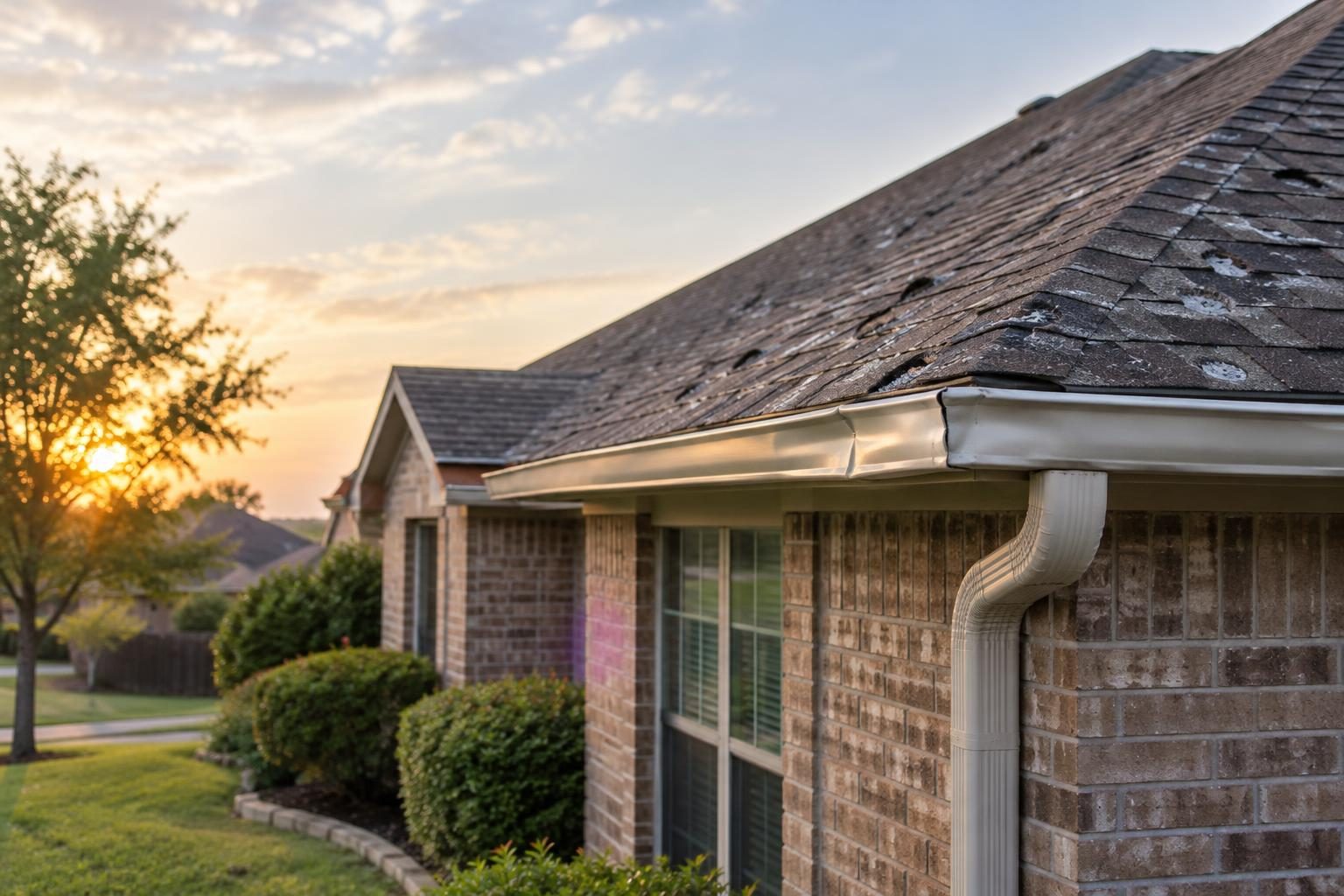
- An underpaid insurance claim usually shows up as missing line items, low unit pricing, or damage the estimate never mentions, not as one obvious wrong number.
- Compare the insurer’s estimate with a detailed repair scope from a licensed contractor, line by line, before you accept payment.
- Texas law sets clear deadlines for acknowledging, deciding and paying a claim, and a missed deadline is itself a warning sign.
- A licensed Texas public adjuster works for you, not the insurance company, and can review the estimate and document what is missing.
What are the signs of an underpaid insurance claim?
The clearest sign is a gap between what the insurer offered and what it will really take to repair your property.
Most of us aren’t insurance claim experts or contractors, and that’s okay. The warning signs are easier to spot than you might think.
- Missing rooms or areas: The estimate covers the roof but skips the attic insulation, or covers one wall but not the damp drywall behind it.
- Repairs instead of replacements: The insurer pays to patch a few shingles when the roof can’t be matched or repaired safely.
- Low labor and material pricing: The unit costs in the estimate sit well below what local contractors actually charge.
- Vague explanations: The letter says “damage not covered” without pointing to the policy language.
- A quick, final-sounding offer: You get a number within days, before anyone has seen all of the damage.
One warning sign alone doesn’t prove anything. Several together are worth a closer look.
How do I compare my insurer’s estimate to the real damage?
You compare it by putting the insurer’s estimate next to an independent, line-by-line repair scope and checking every difference.
Here is a simple way to do it:
- Get your estimate in writing. Ask for the full itemized estimate, not just the payment letter.
- Walk the property. Photograph and list every damaged area yourself, including small things (like a water stain on a ceiling or a dented gutter).
- Request a contractor scope. A licensed contractor can price the full repair, including code upgrades and materials that match what you have.
- Match the two documents. Mark each item the insurer left out, priced low, or described as a repair when replacement is needed.
- Check the policy. Confirm whether the missing items fall under your coverage, and note your deductible and any limits.
Insurer adjusters often work from software pricing and a single inspection visit. That doesn’t make them dishonest, but it does mean hidden damage and local pricing can slip through.
This is also where a public adjuster can help. A public adjuster acts on behalf of the insured, as the Texas Department of Insurance explains in Commissioner’s Bulletin B-0046-08.
Did my Texas insurer follow the claim deadlines?
A missed deadline is one of the easiest ways to tell your claim is being mishandled, so check the dates first.
Texas sets a clear timeline in the Insurance Code:
- Acknowledgment: After notice of a claim, the insurer has 15 days to acknowledge it, begin its investigation, and request the items it needs (30 business days for an eligible surplus lines insurer), under Section 542.055.
- Decision: The insurer must accept or reject the claim in writing within 15 business days of receiving all items it requested. If it needs more time, it must say why, then decide within 45 days, under Section 542.056.
- Payment: Once the insurer says it will pay, payment is due within 5 business days (20 business days for an eligible surplus lines insurer), under Section 542.057.
- Late payment: An insurer that delays payment for more than 60 days after receiving all requested items owes damages and other items under Section 542.060, as Section 542.058 states.
If you plan to sue over a property claim, you must give the insurer written notice at least 61 days before filing, under Section 542A.003. That is a legal step, so talk with an attorney about it.
Keep a simple log of every date you sent something and every date you heard back.
Does the type of damage change how I spot an underpayment?
Yes, because each Texas peril has its own common gaps and its own coverage rules.
Texas sees a lot of claims, which is why these patterns repeat. The National Insurance Crime Bureau counted 811,381 hail claims in Texas from 2016 through 2018, the most of any state. Hurricane Harvey produced 764,898 insurance claims in Texas, according to the Texas Department of Insurance. The February 2021 winter storm produced 511,473 claims.
Here is what to watch for:
- Hail and roof claims: Cosmetic damage exclusions can come into play. If hail dents a metal roof without causing leaks, your insurer may call it cosmetic. Mismatched shingles and partial roof repairs are also common sticking points.
- Freeze and burst pipe claims: The estimate may cover the pipe but skip the soaked drywall, flooring, and insulation behind it. Our guide on water damage from a burst pipe covers this in more detail.
- Coastal wind claims: TWIA covers wind and hail only, in all 14 first-tier coastal counties and parts of Harris County east of Highway 146, according to the Texas Windstorm Insurance Association. Water that rises from the ground is a separate matter.
- Flood: Most homeowners policies do not cover flood damage, according to the Texas Department of Insurance. Most new flood policies carry a 30-day waiting period, and the National Flood Insurance Program covers a home up to $250,000 and belongings up to $100,000.
So before you decide a claim is underpaid, make sure the damage is a covered peril in the first place.
When should I bring in a licensed public adjuster?
Bring one in when your estimate is far below your repair bids, the insurer won’t explain the gap, or the process has stalled.
A public adjuster works for the policyholder, never the insurance company. That is the big difference from the adjuster the insurer sends. If you want the full comparison, see our overview of Texas public adjusters.
Look for a few basics when you hire a public adjuster in Texas:
- A valid license: Anyone acting as a public insurance adjuster in Texas must hold a license issued by the Commissioner of Insurance, under Texas Insurance Code Section 4102.051.
- A status you can check: You can verify a license on the Texas Department of Insurance website before you sign anything.
- Clear communication: They should explain your options in plain language and put what they find in writing.
ClaimsMate is a licensed Texas public adjuster firm (Texas Public Adjuster License #2326706). We are the adjuster ourselves, not a referral service, and we represent you, not the insurer. We offer a free consultation if you’d like a second set of eyes on your estimate. If your claim was denied outright, start with what to do after a denial.
You can reach us at (877) 202-0204.
Frequently Asked Questions
Can I dispute an insurance estimate after I already cashed the check?
Often yes, but it depends on your policy and on what you signed along with the payment. Review any release language carefully before you accept a check, and keep every document. If you are unsure, a licensed public adjuster or an attorney can explain your options.
How long does a Texas insurer have to pay a property damage claim?
Once the insurer says it will pay, payment is due within 5 business days (20 business days for an eligible surplus lines insurer). Earlier steps have their own deadlines, such as 15 days to acknowledge the claim and begin investigating. An insurer that delays payment more than 60 days after receiving all requested items owes damages and other items under Section 542.060.
Is a low first offer always an underpaid claim?
Not always. A first offer may be based on a single inspection or on damage the insurer could see that day, and it can change when more damage is documented. It is worth a careful comparison against a detailed repair scope before you accept it.
Does a public adjuster work for me or for the insurance company?
A public adjuster works for you, the policyholder, and acts on behalf of the insured. The adjuster the insurance company sends works for the insurer. In Texas, a public adjuster must hold a license, and you can check its status on the Texas Department of Insurance website.
Schedule A Free Consultation
To talk through your denied or underpaid claim with a licensed Texas public adjuster who works for you, not your insurance company, schedule a no-cost consultation with ClaimsMate.
Sources
- Texas Insurance Code Section 4102.051
- Texas Department of Insurance, Commissioner’s Bulletin B-0046-08
- Texas Insurance Code Section 542.055
- Texas Insurance Code Section 542.056
- Texas Insurance Code Section 542.057
- Texas Insurance Code Section 542.058
- Texas Insurance Code Section 542A.003
- Texas Windstorm Insurance Association
- Texas Department of Insurance
- National Insurance Crime Bureau, August 2019
- Texas Department of Insurance winter storm data call
- Texas Department of Insurance Hurricane Harvey data call

Stephanie is a property insurance claim expert with over 20 years of experience working as an insurance adjuster, expert witness, appraiser and umpire. She is passionate about sharing her expertise, knowledge, tips and training to help both property owners and Public Adjusters in their pursuit of effectively managing claims and recovering the claim settlement they deserve after a loss.