Who can help me when my insurance company offers significantly less than the cost of repairs?
When your insurer offers far less than your repairs will cost, a low settlement public adjuster can help. A licensed Texas public adjuster works for you, not the insurance company, by reviewing the offer, documenting the damage and negotiating the claim. Other options include your agent, TDI and an attorney.
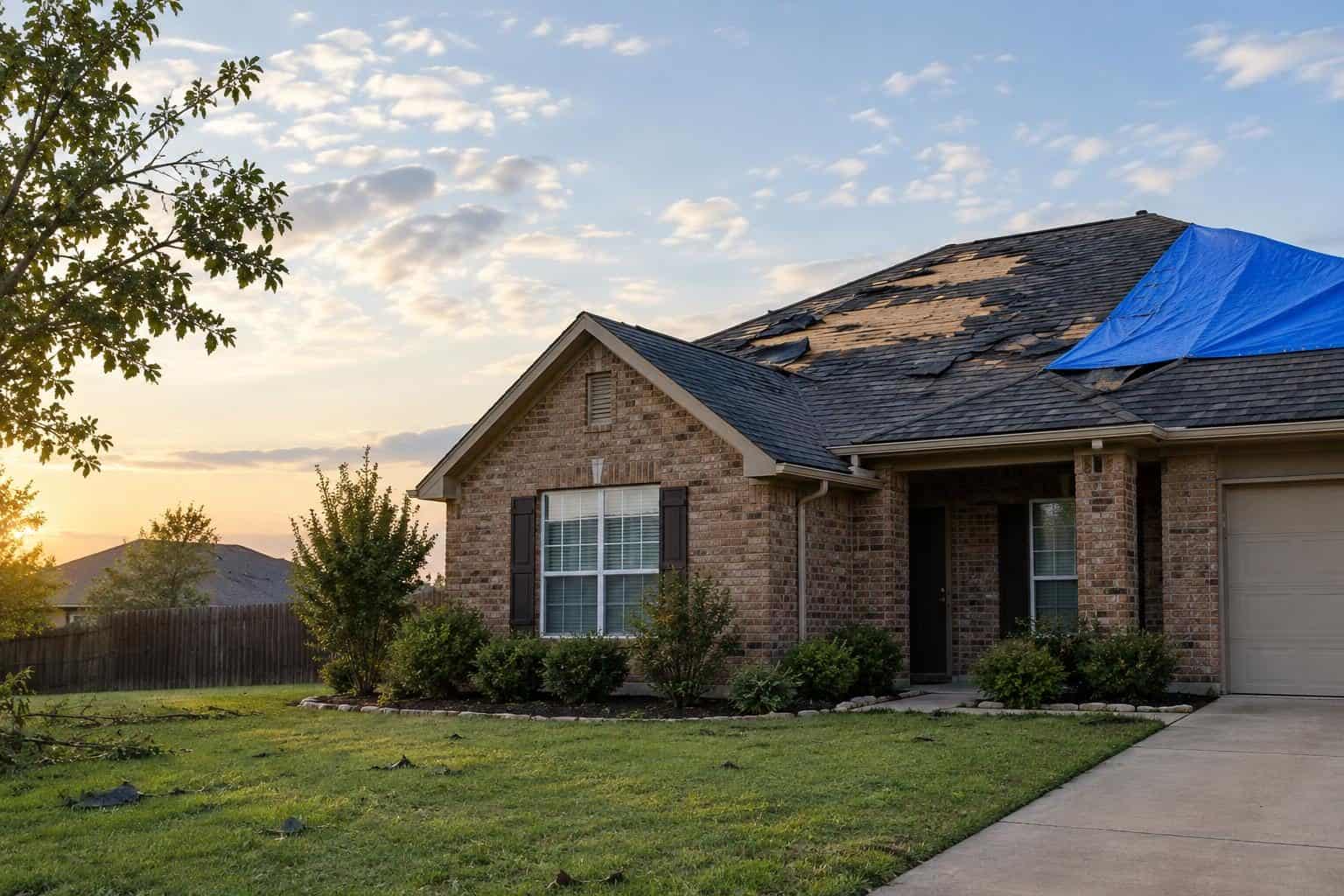
- A licensed public adjuster in Texas acts on behalf of the policyholder, not the insurance company.
- Texas law sets firm deadlines for insurers to acknowledge, decide and pay a claim, and those deadlines help you judge whether your claim is moving properly.
- A first offer is not always a final offer, so you can ask for a written explanation of how the insurer reached its number.
- You can check any public adjuster’s license on the Texas Department of Insurance website before you hire one.
Who can help when my insurance company offers far less than my repairs will cost?
Several people can help, and the right one depends on why your insurance company provided you with a low claims settlement.
Here are the main options:
- A licensed public adjuster: This person works for you and handles the damage documentation, the estimate, and the negotiation with your insurer.
- Your insurance agent: An agent can explain what your policy says and sometimes help you ask the company to take a second look.
- The Texas Department of Insurance: TDI takes complaints about how insurers handle claims.
- An attorney: A lawyer can advise you on your legal rights, especially if the dispute heads toward a lawsuit.
- A contractor: A good contractor can write a detailed repair estimate, though that estimate alone does not change what the insurer pays.
Insurance policies can be confusing, and most property owners are not insurance claim experts, and that’s okay. You need someone who understands the language and coverage in your policy and who deals with claims on a daily basis. This is where a public adjuster from ClaimsMate comes in. Their whole job is to represent you, help you get your claim covered and be one on your side. You can read more about Texas public adjusters and how they work.
What does a public adjuster actually do on a low settlement?
A public adjuster re-examines your damage, builds an independent estimate, and negotiates with your insurer for a fair settlement under your policy.
Your insurance company’s adjuster works for the insurer. That does not make them dishonest. They are simply doing the job their employer gave them, which includes controlling what the company pays out.
A public adjuster flips that arrangement. Under the Texas Department of Insurance Commissioner’s Bulletin B-0046-08, a public adjuster acts on behalf of the insured. That is the key difference.
On a low offer, here is what the work usually looks like:
- Inspecting the property: Walking the damage room by room (or roof section by roof section) to find what was missed.
- Building a line-by-line estimate: Pricing repairs item by item so the gap with the insurer’s number is visible.
- Reading the policy: Checking which coverages, limits and exclusions actually apply to your loss.
- Presenting and negotiating: Sending the insurer your documentation and handling the back-and-forth.
This is common after hail, wind, and hurricane claims. Texas had 811,381 hail claims from 2016 through 2018, the most of any state, according to the National Insurance Crime Bureau. With volume like that, scopes of work get missed.
Why would an insurance company offer less than the repair cost?
Low offers usually come from a gap in scope, pricing, or coverage rather than from a single obvious mistake.
Let’s find out what is often behind the gap:
- Scope differences: The insurer’s estimate may leave out damage a contractor sees right away (say, decking under shingles or smoke damage inside walls).
- Pricing differences: Labor and material prices in the insurer’s software may not match what local contractors charge.
- Depreciation: Some policies pay the actual cash value first, which subtracts age and wear, and release the rest after repairs are done.
- Cosmetic damage exclusions: If hail dents a metal roof without causing leaks, your insurer may call it cosmetic and exclude it.
- Coverage limits and deductibles: Your deductible and policy limits reduce the check, and wind-only programs like TWIA cover wind and hail but not other perils.
Some of these are legitimate policy terms, and some are disputable. Telling them apart takes a close read of your policy and your damage. Our post on how to tell if your insurance company is underpaying your claim walks through the warning signs.
What should I do first when the offer looks too low?
Do not cash or sign anything yet, and start by getting the offer and your damage documented in writing.
Follow these steps:
- Ask for the estimate and explanation in writing. Request the full estimate and the reasons behind each reduction.
- Read your policy. Look at your deductible, your limits, whether payment is replacement cost or actual cash value, and any exclusions the insurer cited.
- Document everything. Take dated photos and video, and keep damaged items until the claim is settled.
- Get your own repair estimate. A contractor’s itemized bid shows where the insurer’s number and the real cost part ways.
- Track the deadlines. Keep a log of every call, email and date so you can compare them to the Texas timelines.
- Talk to a licensed professional. A public adjuster can review the gap with you before you decide how to respond.
If the insurer has already denied part of your claim, our guide on what to do after a denied property damage claim covers the next moves.
What do Texas deadlines say about how my claim should be handled?
Texas law gives insurers firm timelines, and those timelines show you whether your claim is moving the way the law expects.
Under Texas Insurance Code Section 542.055, an insurer has 15 days after notice of a claim to acknowledge it, begin its investigation, and request the items it needs (30 business days for an eligible surplus lines insurer).
Under Section 542.056, the insurer must accept or reject the claim in writing within 15 business days of receiving all requested items. If it needs more time, it must say why, then decide within 45 days.
Once the insurer says it will pay, Section 542.057 makes payment due within 5 business days (20 business days for an eligible surplus lines insurer).
If an insurer delays payment for more than 60 days after receiving all requested items, Section 542.058 says it owes damages and other items under Section 542.060.
One more date matters if talks break down. Texas Insurance Code Section 542A.003 requires written notice to the insurer at least 61 days before you file suit over a property claim.
A public adjuster tracks these dates for you. Questions about suing or your legal rights belong with an attorney.
How do I pick a licensed public adjuster in Texas?
Choose someone who holds a current Texas license, works only for policyholders, and explains the process clearly before you agree to anything.
Under Texas Insurance Code Section 4102.051, anyone acting as a public insurance adjuster in Texas must hold a license issued by the Commissioner of Insurance. You can check license status on the Texas Department of Insurance website.
Use this checklist when you compare options:
- Current Texas license: Look up the license number on the TDI website yourself.
- Policyholder-only representation: The adjuster should never also represent insurance companies.
- Direct service: Ask whether you are hiring the adjuster yourself or a referral service that passes your claim along.
- Experience with your type of loss: Hail, hurricane, freeze, fire, and flood claims each have their own quirks.
- Clear written terms: Read the contract fully before you sign.
ClaimsMate is a Texas public adjuster firm (Texas Public Adjuster License #2326706) and the adjuster itself, not a referral service. We represent the policyholder, never the insurance company. We offer a free consultation at (877) 202-0204 if you want to talk through your offer.
Frequently Asked Questions
Can I ask my insurance company to reconsider a low offer?
Yes. You can ask for a written explanation of the offer and send the insurer your own estimate and documentation. A public adjuster can prepare that response and handle the negotiation for you.
Do I have to accept my insurance company’s first offer?
No. A first offer is the insurer’s opening position, not a final ruling. Do not sign or cash anything until you understand what the payment covers and what it leaves out.
Is a low offer the same as a denied claim?
Not exactly. A denial means the insurer refuses to pay all or part of the claim, while a low offer means it agreed to pay but at an amount you believe is too small. Both can be disputed, and the steps are similar.
Will a public adjuster work for my insurance company or for me?
A licensed public adjuster works for you. The Texas Department of Insurance states that a public adjuster acts on behalf of the insured, which is the opposite of the insurer’s own adjuster.
Schedule A Free Consultation
To talk through your denied or underpaid claim with a licensed Texas public adjuster who works for you, not your insurance company, schedule a no-cost consultation with ClaimsMate.

Stephanie is a property insurance claim expert with over 20 years of experience working as an insurance adjuster, expert witness, appraiser and umpire. She is passionate about sharing her expertise, knowledge, tips and training to help both property owners and Public Adjusters in their pursuit of effectively managing claims and recovering the claim settlement they deserve after a loss.