Who helps homeowners dispute insurance claims in Austin, Texas?
When an insurance company denies, underpays, or disputes a homeowners insurance claim in Austin, a licensed public insurance adjuster can help homeowners fight for a fair settlement. Public adjusters represent the policyholder, not the insurance company, and are licensed by the Texas Department of Insurance. They can review your policy, document property damage, prepare claim estimates, negotiate with the insurer, and challenge unfair settlements. Homeowners may also pursue their insurer’s internal appeals process, file a complaint with the Texas Department of Insurance, or consult an attorney when necessary.
ClaimsMate helps homeowners connect with public adjusters who can advocate for their interests and help them navigate the insurance claims process.
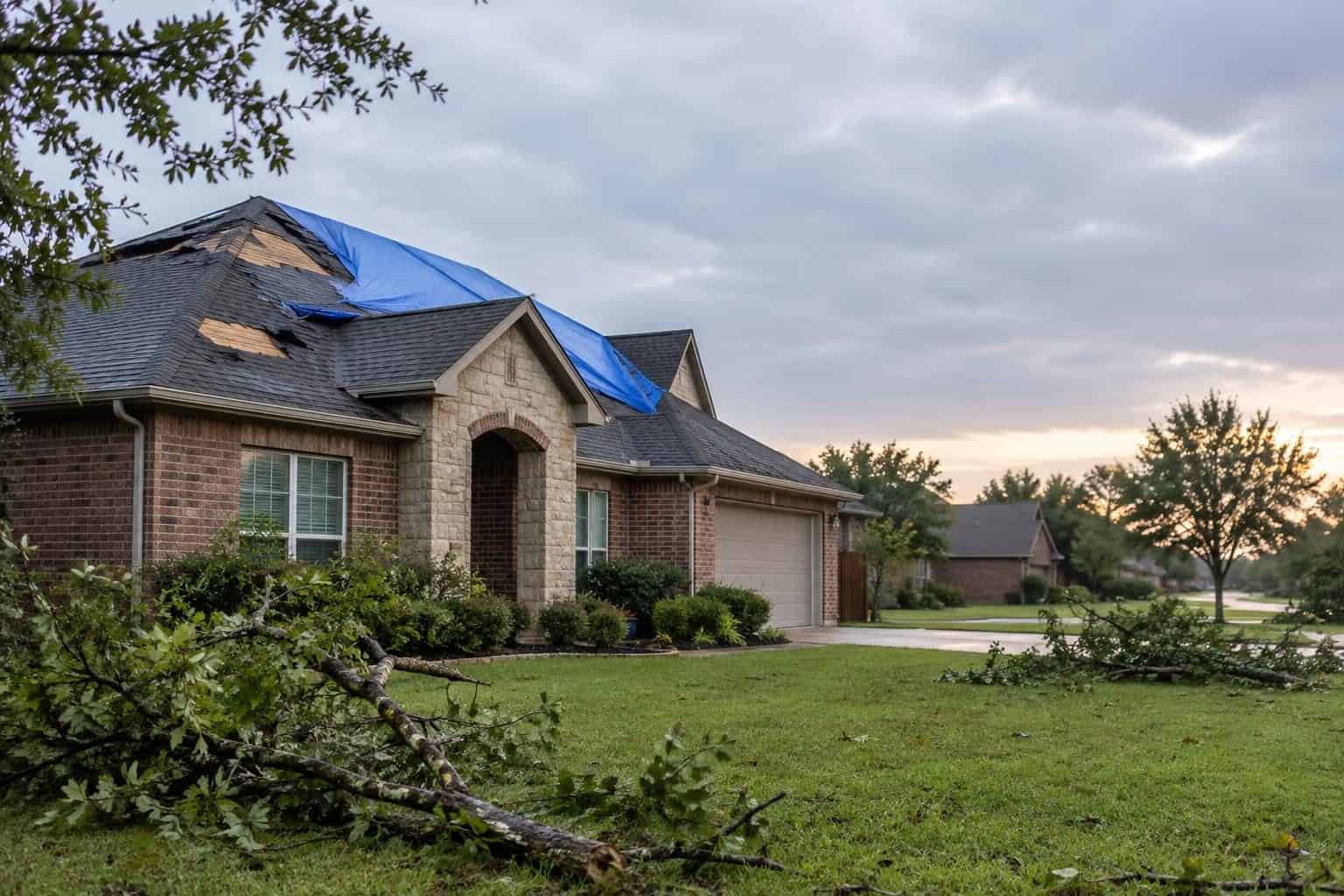
- A licensed public adjuster represents the policyholder in a claim dispute, never the insurance company.
- Texas law requires anyone acting as a public adjuster to hold a license, and you can check it on the Texas Department of Insurance website.
- Texas sets firm claim deadlines for insurers, and knowing them helps you spot a delay.
- You must give your insurer written notice at least 61 days before filing suit over a property claim.
Who can help me dispute a homeowners insurance claim in Austin?
Several kinds of help exist, and the right one depends on what is actually in dispute. Most homeowners start with a licensed public adjuster.
A public adjuster handles the claim itself: documenting the damage, estimating the repair, and presenting the case to your insurer. Here is who else you may hear about:
- Public adjuster: Works for you on the damage and the amount. A Texas public adjuster must be licensed.
- Your insurer’s appeal or reconsideration process: You can ask the company to look at its decision again, usually by sending new documents or estimates.
- Texas Department of Insurance: Handles complaints about how an insurer treated you, though it does not settle the amount of your claim for you.
- An attorney: Can advise on legal rights, especially when a claim is headed toward a lawsuit.
Most of us aren’t insurance claim experts, and that’s okay. You don’t have to figure out which door to knock on alone.
What does a public adjuster do in a claim dispute?
A public adjuster acts on your behalf, the insured, and not on behalf of the insurance company. The Texas Department of Insurance says so plainly in Commissioner’s Bulletin B-0046-08.
That is the big difference from the adjuster your insurer sends. The company’s adjuster works for the company. A public adjuster works for you.
In a dispute, that usually means a few things:
- Documenting the loss: Photos, measurements, and a room-by-room record of what was damaged (say, the roof, the ceiling below it, and the flooring that got wet).
- Building the estimate: Putting together a repair scope that reflects what the work actually involves.
- Talking to the insurer: Presenting that documentation and answering the company’s questions so the file moves forward.
If you want to see how this plays out locally, our page on a public adjuster Austin homeowners can reach explains how we work with policyholders here.
How do I know a public adjuster is actually licensed in Texas?
You check the license, and it only takes a few minutes. Under Texas Insurance Code Section 4102.051, anyone acting as a public insurance adjuster in Texas must hold a license issued by the Commissioner of Insurance.
The Texas Department of Insurance lets you look up a public adjuster’s license status on its website. Do it before you sign anything.
Here is a simple checklist:
- Ask for the adjuster’s Texas license number.
- Look it up on the Texas Department of Insurance website and confirm it is active.
- Make sure the name on the license matches the person or firm you are dealing with.
- Confirm the adjuster represents you, the policyholder, and not an insurance company.
- Ask whether the firm is the adjuster itself or just passes your claim along to someone else.
ClaimsMate is a licensed Texas public adjuster firm (Texas Public Adjuster License #2326706). We are the adjuster, not a referral service.
What Texas deadlines can help me tell if my insurer is dragging its feet?
Texas law gives insurers a clear timeline, and knowing it helps you tell a normal wait from a real delay. These rules come from Chapter 542 of the Texas Insurance Code.
Here is how the clock generally runs:
- Acknowledging the claim: After notice of a claim, the insurer has 15 days to acknowledge it, begin its investigation, and request the items it needs. That window is 30 business days for an eligible surplus lines insurer (Section 542.055).
- Accepting or rejecting: Within 15 business days of receiving all the items it requested, the insurer must accept or reject the claim in writing. If it needs more time, it must say why, then decide within 45 days (Section 542.056).
- Paying the claim: Once the insurer says it will pay, payment is due within 5 business days, or 20 business days for an eligible surplus lines insurer (Section 542.057).
- Late payment: An insurer that delays payment for more than 60 days after receiving all requested items owes damages and other items under Section 542.060 (Section 542.058).
Keep a dated record of every request and response. It makes any later conversation about timing much simpler.
What if the dispute is about the amount, not a denial?
A dispute over the amount is very common, and it is handled a little differently than a flat denial. Your insurer may accept the claim but offer an amount that falls short of what repairs actually require.
Insurers and their adjusters often work from their own estimating methods and policy terms, so two honest estimates can land far apart. That gap is where a lot of disputes begin.
If that sounds like your situation, these two guides go deeper: how to know whether your insurance company is underpaying your property damage claim, and who can help when the offer is significantly less than the cost of repairs.
One more Texas rule matters if things escalate. A policyholder must give the insurer written notice at least 61 days before filing suit over a property claim, according to Texas Insurance Code Section 542A.003. That is a legal step, so an attorney can tell you how it applies to you.
Frequently Asked Questions
Does a public adjuster work for me or for my insurance company?
A public adjuster works for you, the policyholder. The Texas Department of Insurance describes a public adjuster as acting on behalf of the insured. The adjuster your insurer sends works for the insurer.
Do I need to be in a dispute before I call a public adjuster?
No. Many homeowners reach out when a claim feels stuck, when an offer seems low, or when they are unsure how to document damage. A free consultation lets you explain your situation and learn your options.
Can I file a complaint with the Texas Department of Insurance instead?
You can file a complaint about how an insurer handled your claim, but that is different from having someone work the claim itself. A public adjuster focuses on documenting the damage and presenting your case to the insurer.
How do I start with ClaimsMate?
ClaimsMate is a licensed Texas public adjuster firm that offers a free consultation. You can call (877) 202-0204 to talk through your claim and what to do next.
Schedule A Free Consultation
To talk through your denied or underpaid claim with a licensed Texas public adjuster who works for you, not your insurance company, schedule a no-cost consultation with ClaimsMate.
Sources
- Texas Insurance Code Section 4102.051
- Texas Department of Insurance, Commissioner’s Bulletin B-0046-08
- Texas Insurance Code Section 542.055
- Texas Insurance Code Section 542.056
- Texas Insurance Code Section 542.057
- Texas Insurance Code Section 542.058
- Texas Insurance Code Section 542A.003

Stephanie is a property insurance claim expert with over 20 years of experience working as an insurance adjuster, expert witness, appraiser and umpire. She is passionate about sharing her expertise, knowledge, tips and training to help both property owners and Public Adjusters in their pursuit of effectively managing claims and recovering the claim settlement they deserve after a loss.