Why Winter House Fires Are More Common than You Think
Winter means cold weather. Cold weather, however, doesn’t mean an end to house fires.
Key Takeaways For Winter Fire Prevention
- Increased use of heating due to cold weather can pose a fire risk during winter seasons.
- Holiday-related fires, like Christmas tree fires and fires caused by increased appliance use, often occur during winter.
- Taking preventative steps can decrease the risk of winter house fires and prevent complicated insurance disputes.
Winter house fires are more common than many homeowners realize. And, even if insurance covers the cost of repairing fire damage, basic preventive measures can reduce your risk.
Here are some of the reasons why winter house fires are surprisingly common.
Space Heaters
Space heaters are a leading cause of indoor fires all winter long.
Despite safety features (like tip-over detection and automatic shut-offs), space heaters account for the majority of heating-related fire injuries.
Some of the ways space heaters cause fires during winter include:
- Placed too close to fabrics (like furniture, bedding, or curtains)
- Overloaded circuits (say, with an extension cord or power strip not built for high electrical loads)
- Left unattended around pets or kids
- Insufficient clearance while sleeping
- Poor maintenance (causing dust, dirt, and lint buildup around the heater)
- Malfunctioning components (say, from a cheap, defective, or old space heater)
Space heaters are an effective way to stay warm in winter weather. However, they can be dangerous when used irresponsibly.
Turn space heaters off when unattended. Only use them on safe surfaces. Plug directly into a wall outlet. And keep space heaters at least three feet away from anything that can burn.
Increased Use of Fireplaces & Chimneys
Sitting at home with a roaring fire on a cold winter night feels cozy. Unfortunately, it can also quickly lead to a catastrophic accident.
Fireplaces are great when used and maintained correctly. However, some of the risks posed by a fireplace include:
- Uncovered fireplaces that create sparks
- Unattended fires that become too large or out of control
- Creosote buildup caused by inadequate maintenance
- Debris in the chimney
Consider a chimney inspection from a qualified expert before lighting your fireplace this winter.
Candles
On January 1, 2026, indoor candle use turned to tragedy in the Swiss mountain town of Crans-Montana. 40 people died, and 116 were injured when sparklers on top of champagne bottles appeared to ignite the acoustic ceiling in a crowded bar.
Whether it’s a birthday celebration with sparklers or a quiet night in the bathtub, indoor use of candles is a leading cause of fires all year round.
Some fires ignite when candles are placed too close to combustible materials. Others ignite when candles are left unattended, like when occupants fall asleep or leave the room.
Dried Christmas Trees
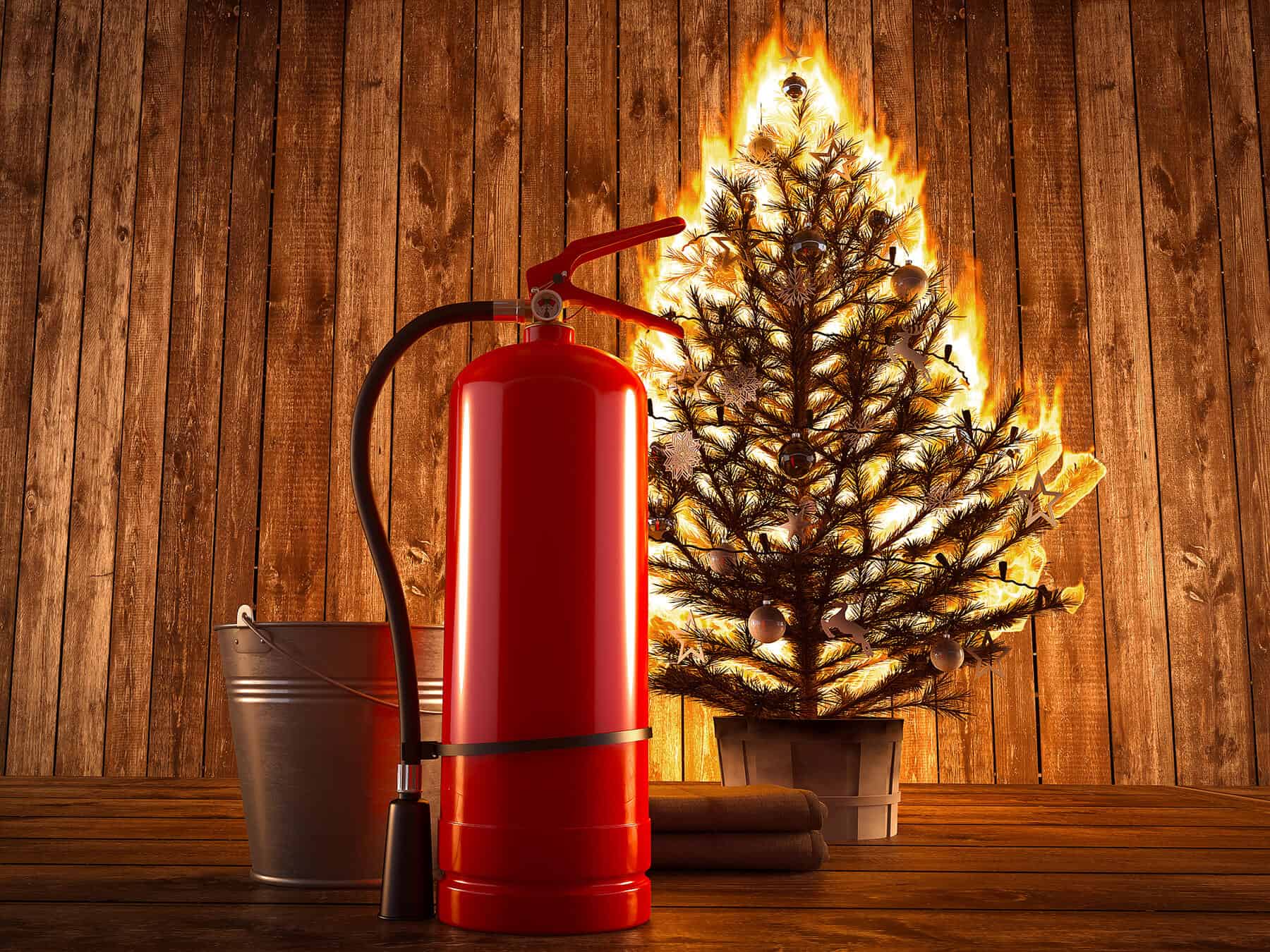
As your Christmas tree dries over the holidays, it becomes more and more of a fire hazard. By the time January arrives, that dry tree is like a ticking time bomb for house fires.
As the National Fire Protection Association explains, one in four (24%) of Christmas tree fires were started by lamps or bulbs.
Plus, 35% of Christmas tree fires also occur in January (which is significant because most homeowners don’t leave their trees up for all of January).
Maybe the nearby radiator or space heaters weren’t an issue at the start of the season when your tree was moist and absorbing plenty of water. As the season goes on, however, that dried Christmas tree becomes an increasing fire risk.
Sure, having a Christmas tree next to your fireplace can look picturesque. But it can also increase the risk of a serious house fire. Move your Christmas tree far away from space heaters, radiators, and other risks.
As Acuity Insurance explains, Christmas tree fires are covered by most standard homeowners insurance policies. Your dwelling coverage covers damage to the structure of your home (like walls, ceilings, or floors). Your personal property coverage covers damage to your furniture, electronics, and other belongings. And additional living expense (ALE) coverage covers the cost of living outside of your home, if necessary, if a fire severely damages your home.
(Acuity also recommends watering your tree regularly, choosing a fresh tree, and even opting for a flame-resistant artificial tree to reduce the risk of a tree-related disaster).
Electrical Issues
Maybe you’ve overloaded your home’s electrical system with Christmas lights. Maybe you have a lot of friends and family visiting. Maybe it’s space heaters or those special holiday appliances – from deep fryers for cooking to mixers for baking.
Whatever the case, electrical hazards can and do lead to fires. Sometimes, it’s faulty wiring and damaged cords on old Christmas lights. In other cases, it’s a home’s electrical system being pushed too hard.
Winter Cooking
Speaking of special holiday appliances, winter cooking is a major cause of house fires.
According to the NFPA, the three leading dates for home structure fires caused by cooking are:
- Thanksgiving
- Christmas Day
- Christmas Eve
We’ve all heard the risks of deep frying a turkey – and that’s certainly a major risk.
However, holidays are also a riskier time to cook because of factors like:
- Large and more complex meals
- Excessive distractions
- Increased alcohol consumption
- More pets, kids, and family around
Overloaded Furnaces
An old or overloaded furnace could cause a devastating fire because of issues like:
- Cracked heat exchangers
- Leaking fuel lines
- Faulty wiring
- Blocked vents
- Excessive soot or dirt
These issues could increase the risk of overheating, gas leaks, and electrical shorts.
Consider an annual furnace inspection to ensure your home’s heating system is working efficiently – and safely.
How to Get Fair Value for Your Winter Fire Insurance Claim
From holiday cooking to cold temperatures, there are many reasons why house fires occur all winter long.
With basic precautions, you can reduce your risk of winter house fires – and avoid the risk of making an insurance claim in the first place.
If you do need to make a claim, contact the team at ClaimsMate for expert assistance – especially if your insurer is denying coverage, offering a low payout, or blaming you for the fire.
Schedule a Free Consultation
Stephanie is a property insurance claim expert with over 20 years of experience working as an insurance adjuster, expert witness, appraiser and umpire. She is passionate about sharing her expertise, knowledge, tips and training to help both property owners and Public Adjusters in their pursuit of effectively managing claims and recovering the claim settlement they deserve after a loss.