7 Lesser-Known Ways to Reduce the Risk of Winter Storm Damage
Winter weather wreaks havoc on unprepared homeowners.
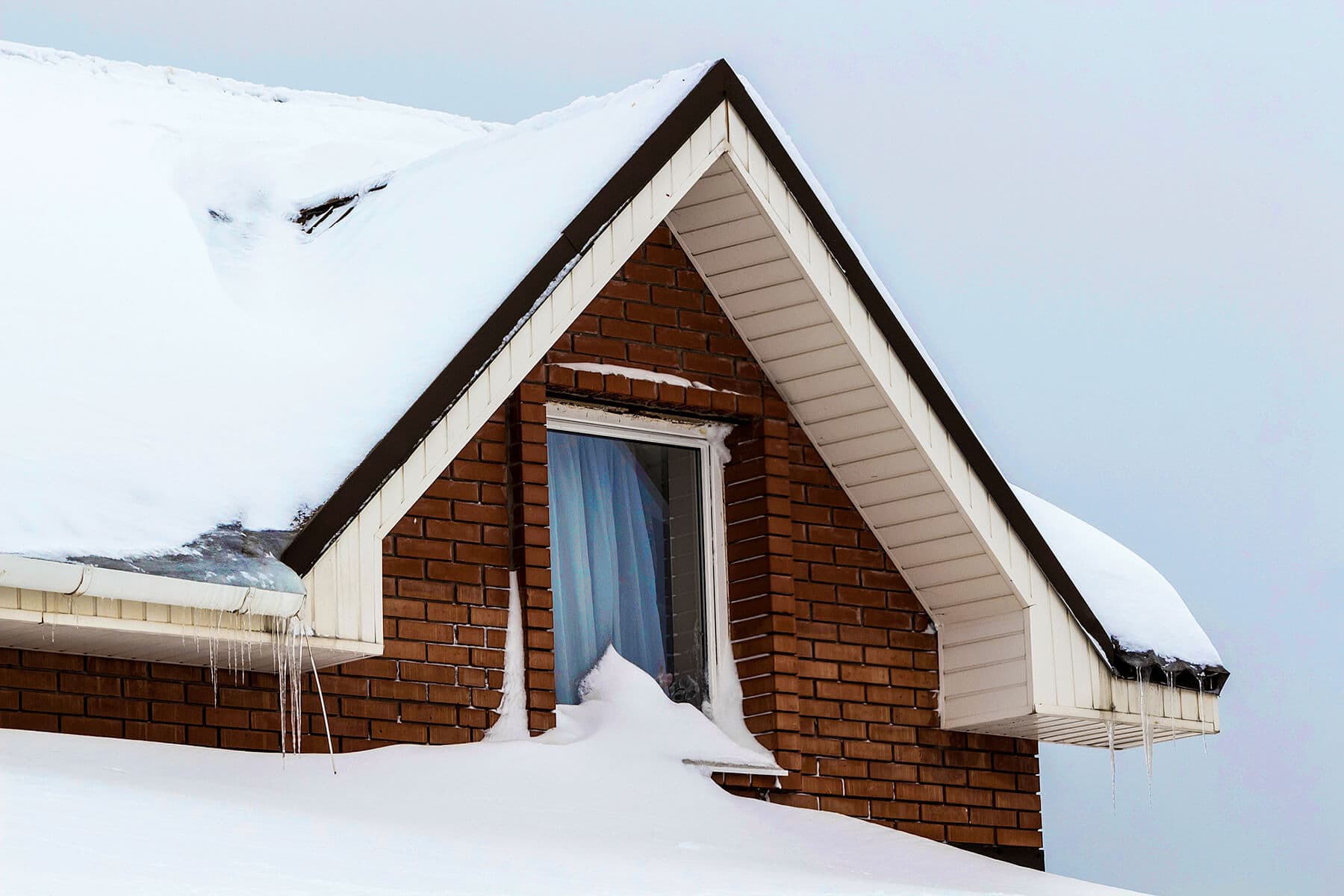
Key Insights For Reducing Winter Storm Damage
- Prepare before winter storms arrive to avoid insurance denials.
- Take action to secure your home’s insulation, especially in unheated areas like attics and garages. Seal gaps to keep cold air out and wrap pipes ahead of cold freezes.
- Drain outdoor water supplies before freezing temperatures arrive.
- Preventive removal of snow can reduce the risk of future damage.
A blizzard or cold snap could lead to a burst pipe, collapsed roof, or even, confusingly, a house fire.
The best way to manage a costly insurance claim is to avoid making one in the first place.
Sure, you’ve probably heard about opening cabinets under your sinks to circulate warm air. Maybe you leave your faucets dripping to reduce the risk of a frozen pipe.
Today, we’re highlighting proven, lesser-known ways to reduce the risk of winter storm damage.
Seal Gaps & Cracks Around Your Doors
The lead-up to a winter storm is a great time to seal gaps and cracks around your home.
Get some weather stripping caulk to seal gaps and cracks around doors, for example, especially if your home feels drafty. It’s easy, affordable, and takes only a few minutes.
Install Temporary Pipe Insulation in Unheated Transition Areas
Everyone thinks about interior plumbing. However, the pipes in wall cavities between heated and unheated zones are a major point of failure.
By wrapping these pipes before sub-freezing temperatures arrive, you can reduce the risk of a burst pipe – and a costly burst pipe insurance claim.
Some of the areas to consider installing temporary pipe insulation include:
- Pipes behind garage walls
- Pipes near attic knee walls (the vertical separation between attic space on one side and conditioned space on the other)
- Laundry rooms and other appliances backed up against exterior walls
Slip-on foam insulation costs a few dollars and can be installed in minutes. Nevertheless, these pipes account for a disproportionate number of burst pipe insurance claims each year. Take a few minutes to install temporary pipe insulation (available at any hardware store) around these pipes before a storm.
Disconnect and Drain Outdoor Spigots from the Inside
A hose bib is a plumbing fixture that goes through an exterior wall to bring water to a garden hose outside.
Many homeowners remove the hose outside before a freeze. That’s a good start. However, water can still remain trapped inside the sillcock (the component that connects the outdoor faucet to the indoor water supply).
To reduce the risk of a burst pipe:
- Shut off the interior valve to the hose bib
- Open the outdoor spigot to drain trapped water
- Leave it open during the freeze
This tip is a big deal for insurance claims because it reduces the risk of freeze-splits inside the wall. In many cases, these freeze splits aren’t discovered until spring. Insurers sometimes dispute these claims because of the delayed discovery, increasing your risk of a denied or reduced claim.
Seal Garage-to-House Air Leaks (Beyond the Garage Door)
Many homeowners weather-strip the garage door. However, the shared wall and ceiling of your garage is also a big source of cold air infiltration.
If cold air from the garage infiltrates your home, it can:
- Freeze pipes in adjacent walls
- Drop floor temperatures above the garage
- Overwork HVAC systems
To avoid these risks, consider steps like:
- Caulking gaps around electrical outlets
- Sealing attic access points above the garage
- Weather-stripping the door between the garage and the house
All of these tips can sharply reduce the inflow of cold air into your home.
Clear Snow Before It Freezes to Prevent Ice Dams
It may be cold outside, and you might not want to go out there. But removing the snow from your roof today could reduce the risk of ice dams in the future.
Here’s how an ice dam occurs after a storm:
- Snow falls on your roof
- Snow melts during warm weather, drips into gutters and under shingles, then refreezes (typically overnight)
- As the frozen water expands, it can cause leaks throughout your home – from your attic to around windows and doors
Safely removing snow early (say, with a roof rake) dramatically reduces the risk of ice dam damage.
Watch carefully for ice dam issues if weather is fluctuating between above-freezing during the day and sub-freezing at night.
Check Attic Insulation Coverage (Not Just Insulation Thickness)
Your home has insulation, and that insulation may be sufficiently thick in many places.
However, attic insulation can be uneven or displaced, especially near eaves.
Fixing uneven insulation can help your home defend itself against a winter storm. It helps because it leads to:
- Consistent coverage over exterior walls
- No exposed ceiling drywall near soffits
- No compressed insulation blocking airflow
Cold spots (say, caused by weak insulation in areas) create condensation, mold, and ice dam conditions.
From an insurance standpoint, these may be considered maintenance issues. Your insurer could deny your claim because of lack of maintenance – even though the damage occurred because of the storm.
Other Underrated Tips for Protecting Your Home from Winter Storms
The only time to prepare for a winter storm is before it hits.
Other underrated ways to protect your home include:
- Photograph vulnerable areas before your home, including exposed plumbing, roof and gutter lines, and basements and crawlspaces
- Pre-set thermostat minimums for power outage recovery
- Ensure exhaust vents (like dryer vents and bath fans) are clear of debris
- Know where your main water shutoff is
Final Word: Winter Storm Damage is Often Hidden (and Often Disputed)
Winter storm damage isn’t always obvious. It’s not like a hurricane, where damage is immediate and noticeable.
Instead, winter storm damage may not become obvious until a spring thaw months later.
Insurers may use this to their advantage. They may argue the storm damage was caused by lack of maintenance or wear and tear, for example. Because it was months ago, you might feel like you have little recourse.
Contact ClaimsMate for winter storm insurance claim issues. From burst pipes to collapsed roofs, ClaimsMate’s expert and licensed public adjusters have seen it all. Contact us for a no-cost consultation.
Schedule a Free Consultation
Stephanie is a property insurance claim expert with over 20 years of experience working as an insurance adjuster, expert witness, appraiser and umpire. She is passionate about sharing her expertise, knowledge, tips and training to help both property owners and Public Adjusters in their pursuit of effectively managing claims and recovering the claim settlement they deserve after a loss.