St. Louis Homeowners Struggling with Insurance Claims Months After Tornado
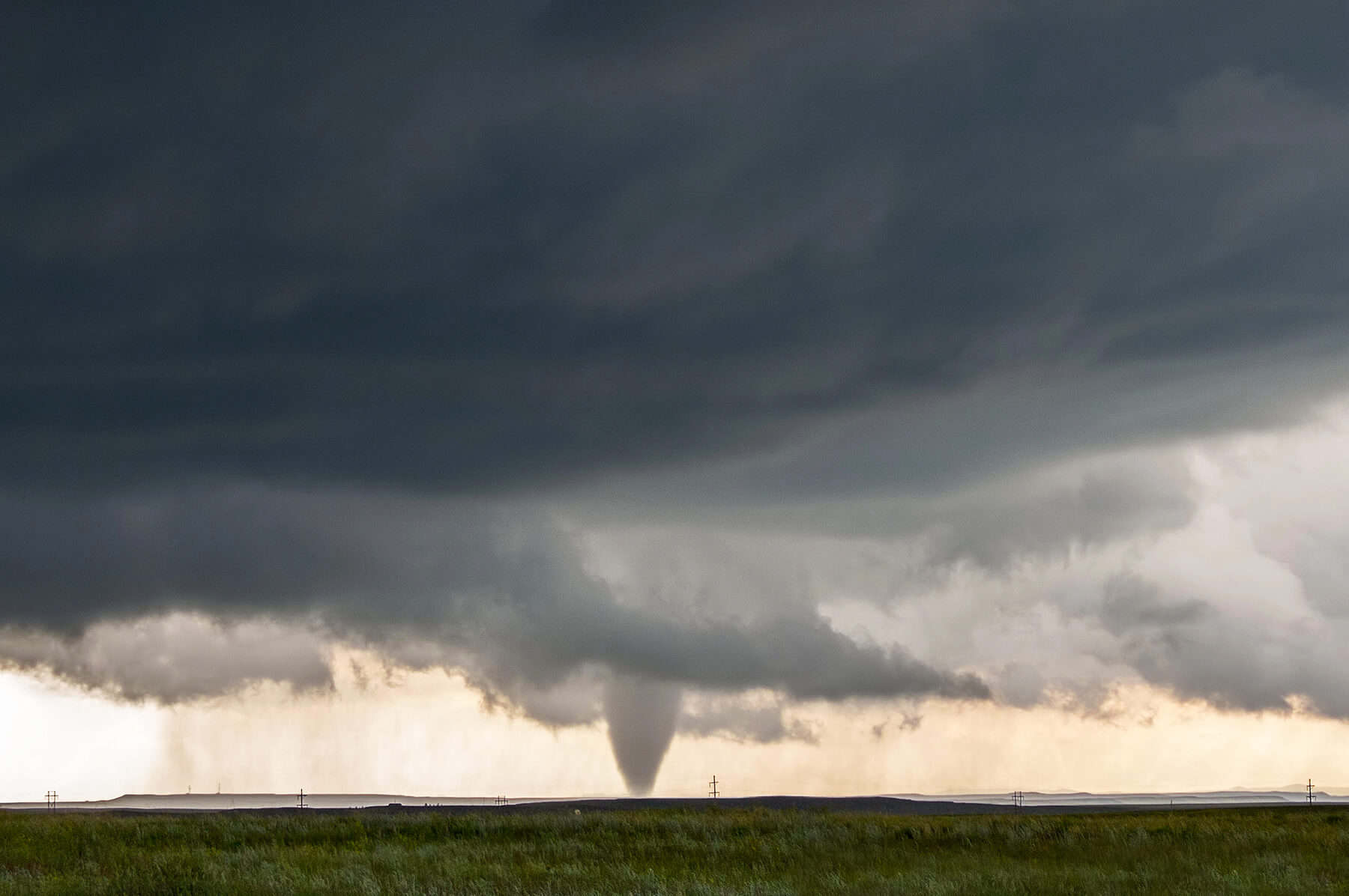
In May 2025, a powerful EF3 tornado tore through parts of St. Louis, leaving widespread destruction in its path.
Months later, homeowners are dealing with more than just damaged roofs and ruined belongings; they’re stuck in a prolonged battle with their insurance companies.
Homeowners buy insurance to protect homes from disasters – like tornadoes. Unfortunately, some St. Louis homeowners are struggling with disputes over coverage, repair estimates, and the real cost of rebuilding.
Tornado Damage Was Widespread, and Insurance Recovery Has Been Slow
On May 16, 2025, a tornado struck north St. Louis, tearing off rooftops, breaking windows, and scattering debris across entire neighborhoods.
In the months that followed, thousands of homeowners began filing claims for storm damage, especially for roofs, ceilings, and interior water damage caused by rain pouring in through openings created by the storm.
Yet by late 2025, many homeowners were still dealing with long delays rather than completed repairs.
Some had received new roofs, but others were still waiting for insurers to approve claims, determine coverage, or provide sufficient payouts.
In some cases, families remained displaced or partially repaired months after the storm passed.
Many St. Louis Homes Were Underinsured or Uninsured
Complicating things further, a significant portion of homeowners in the tornado’s path did not have insurance.
According to the Missouri Department of Commerce and Insurance (DCI), up to 67% of homes in heavily damaged ZIP codes may have been uninsured when the tornado struck – a much higher rate than the national average.
Homes in north St. Louis neighborhoods tended to be older and lower-valued, with prices often far below city or national averages.
Many had been paid off and were no longer under a mortgage, which means the lender did not require insurance. Others couldn’t afford coverage or were priced out of the market before the tornado.
As a result, these families were left without the safety net that insurance is supposed to provide.
This situation highlights a major issue with disasters: having homeowners insurance doesn’t guarantee a smooth recovery, but not having insurance can be even more devastating.
Why Tornado Claims Are So Hard to Settle
Tornado insurance claims seem straightforward: a tornado damaged your home, so you make a claim and get compensated for repairs.
Unfortunately, tornado claims can quickly get messy:
- Roof damage is often the first visible sign of a claim, but the debate over coverage and proper repair can stretch into other parts of the home.
- Water intrusion, secondary structural damage, and interior restoration are frequently overlooked or understated in initial insurance estimates, leading to underpayment or delay.
Some of the headaches faced by homeowners in St. Louis and other wind-prone parts of the United States include:
Underinsurance and Coverage Limits
Your existing homeowners insurance policy may not reflect the true cost to repair or rebuild, especially in older neighborhoods with unique or historic homes.
Insurers might value homes based on older cost records or depreciated figures, leading to payouts that fall short of actual repair prices – especially for roofs, siding, and structural elements damaged by tornado force winds.
Slow Responses & Low Estimates
According to the recent report from St. Louis Public Radio, many insurers have been slow to respond to tornado claims.
Making things worse, when insurers do respond, they may offer estimates that don’t fully account for the real scope of damage. Delays and lowball estimates force homeowners into lengthy negotiations and contribute to extended displacement and ongoing interior damage, like mold growth.
Secondary Damage Caused by Weather
When a tornado rips off a roof, rain and moisture don’t stop once the wind dies down.
Water intrusion into ceilings, walls, and floors can continue to cause damage long after the storm — yet insurers may attempt to categorize this as “pre-existing” or “neglect” rather than storm-related, leading to more disputes.
What this Means for Tornado-Affected Homeowners
The insurance struggles in St. Louis highlight several broader lessons for homeowners nationwide:
- Insurance is crucial, but you need adequate coverage. Being underinsured leaves homeowners vulnerable, while lack of insurance can erase years of equity in a disaster.
- Expect disputes over wind and tornado damage. Roof and structural claims often trigger lengthy back-and-forth negotiations over cause, scope, and valuation.
- Secondary damage matters. Water, mold, and interior deterioration can be just as costly as the initial wind damage – and they must be thoroughly documented to support a claim. Many insurers want to close storm damage claims quickly to avoid covering this damage.
Final Word: How a Public Adjuster Can Help
The experiences of St. Louis homeowners are not unique.
After tornadoes and severe storms across the country, many property owners find their insurer’s first offers or initial claim assessments don’t reflect the true cost of restoring their homes.
A public adjuster works for the policyholder, not the insurance company, and can help in several important ways:
- Documenting the full scope of damage, including hidden or secondary issues like water intrusion and mold
- Interpreting policy language to ensure homeowners are using available coverages effectively
- Challenging low estimates with detailed independent assessments
- Managing communications and deadlines so that delays don’t derail the claim
Insurers fight to save money. Having an expert on your side can be the difference between years of frustration and a fair recovery.
If you’re dealing with a tornado loss, delayed claim, lowball offer, or denied coverage, ClaimsMate’s public adjusters are here to help you fight for a fair settlement and guide you through every step of the recovery.
Schedule a Free Consultation